 Laos
Laos
Luang Prabang: 4-Day Explorer Tour
Price confirmed on request
Details Luang Prabang: 4-Day Explorer Tour
Southern coffee country, waterfalls, Wat Phou, and cooler plateau landscapes.
Southern Laos gets a fraction of the visitors the north does, and it has the country’s best coffee, its most impressive waterfalls, and a Khmer temple older than Angkor Wat.
The imbalance makes no sense. It is also, for now, the reason to come.
The south’s main town, at the meeting of the Mekong and the Xe Don. Not a destination in itself — it is the base you work from, with the airport, the hotels and the road onto the plateau. One night here at either end of a southern loop is usually right.
A volcanic highland an hour east of Pakse, sitting between 1,000 and 1,350 metres. The altitude changes everything: it is five to ten degrees cooler than the lowlands, the soil is volcanic and rich, and it rains more.
The French planted here in the 1920s and the plateau now produces most of Laos’s coffee — both arabica at the higher elevations and robusta lower down.
Farm visits here are genuine working operations, not showrooms. Depending on the season you will see picking, washing, drying on patios, and roasting. Harvest runs roughly November to February. Come then and the whole plateau smells like it.
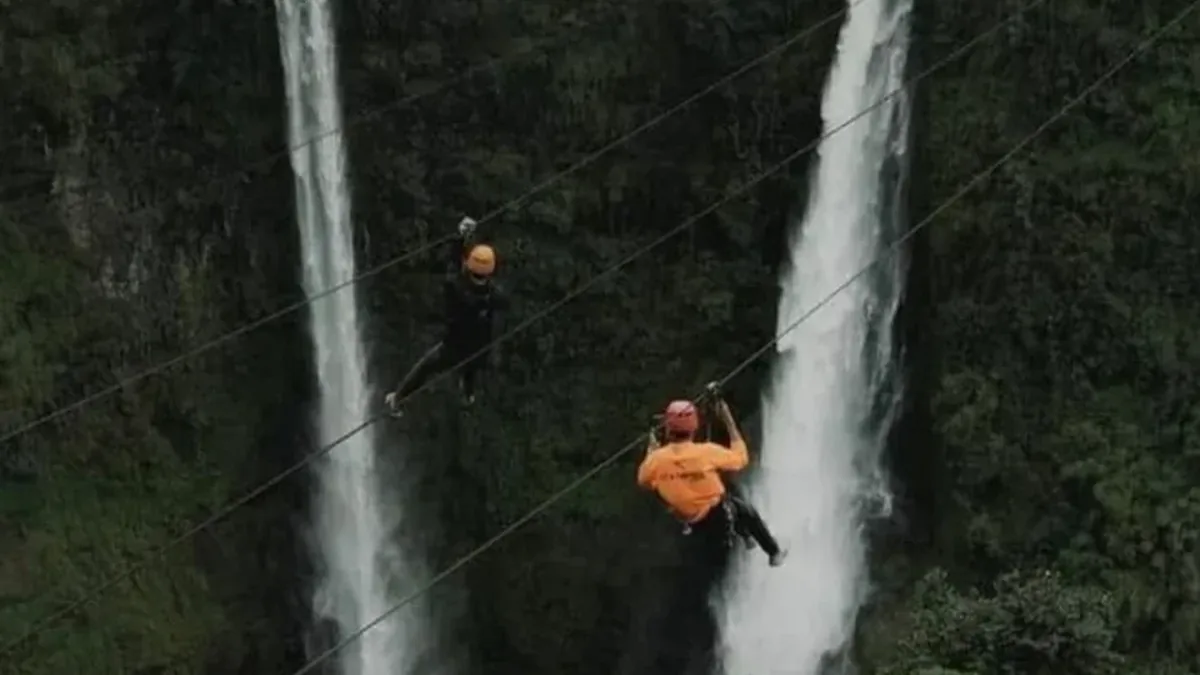
The plateau’s edge drops sharply, which produces a lot of water falling a long way.
The plateau is home to several ethnic groups — Katu, Alak, Laven and others — with distinct traditions, weaving and architecture. Visit these with a guide who knows the community, or not at all. The difference between a welcome and an intrusion is entirely in how it is arranged.
An hour and a half south of Pakse, a Khmer temple complex at the foot of Phou Kao mountain, listed by UNESCO in 2001.
Parts of it predate Angkor Wat. The site is built up the hillside on terraces along a processional causeway, and the upper sanctuary has a spring that has been considered sacred for well over a thousand years.
It is much smaller than Angkor. It is also nearly empty, and you can walk it in the early morning with almost nobody there — an experience Angkor cannot offer at any price. Go early; there is no shade on the causeway and the climb is steep by mid-morning.
Three days covers Pakse, a plateau loop with two waterfalls and a coffee farm, and Wat Phou. Five days adds Tad Lo, more villages, and a slower pace. A week or more if you are continuing to the 4,000 Islands, which is the natural next step.
November to February — coffee harvest, dry roads, comfortable temperatures. The best window, clearly.
March to May — hot in Pakse, noticeably cooler on the plateau. Waterfalls are at their weakest.
June to October — the plateau is wettest here, more than the rest of the country. Waterfalls are spectacular; some village roads become difficult. Everything is intensely green.
“Fantastic tour operator — speaks excellent English, very responsive and communicative. Made everything about our trip easy and streamlined.”
Elizabeth Sutton, Google review
Luang Prabang
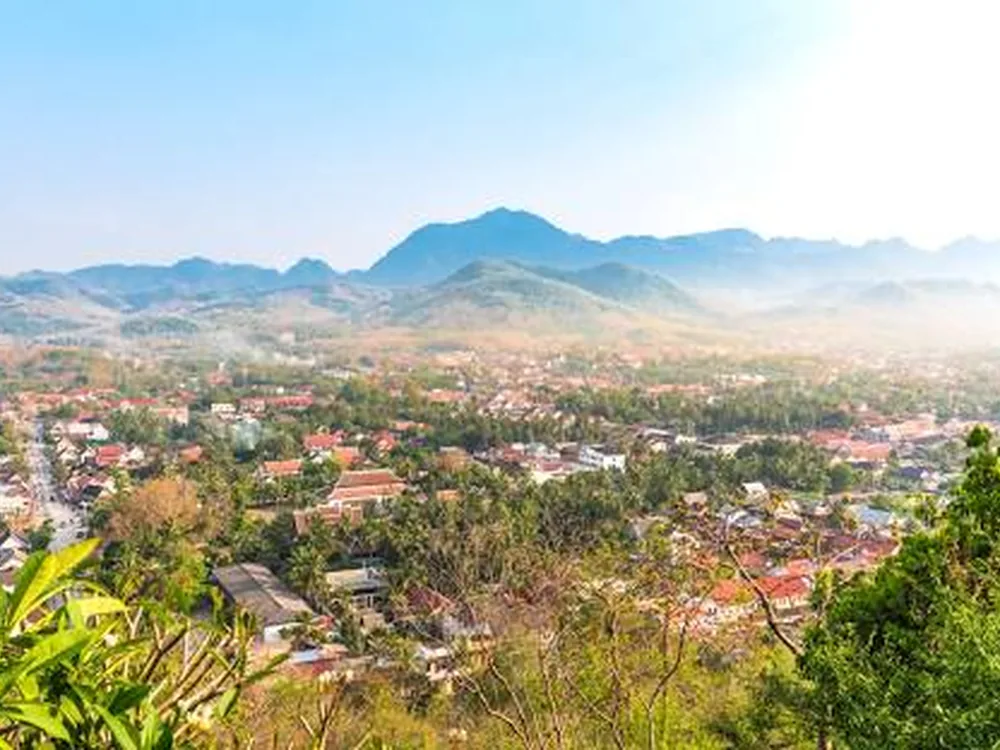
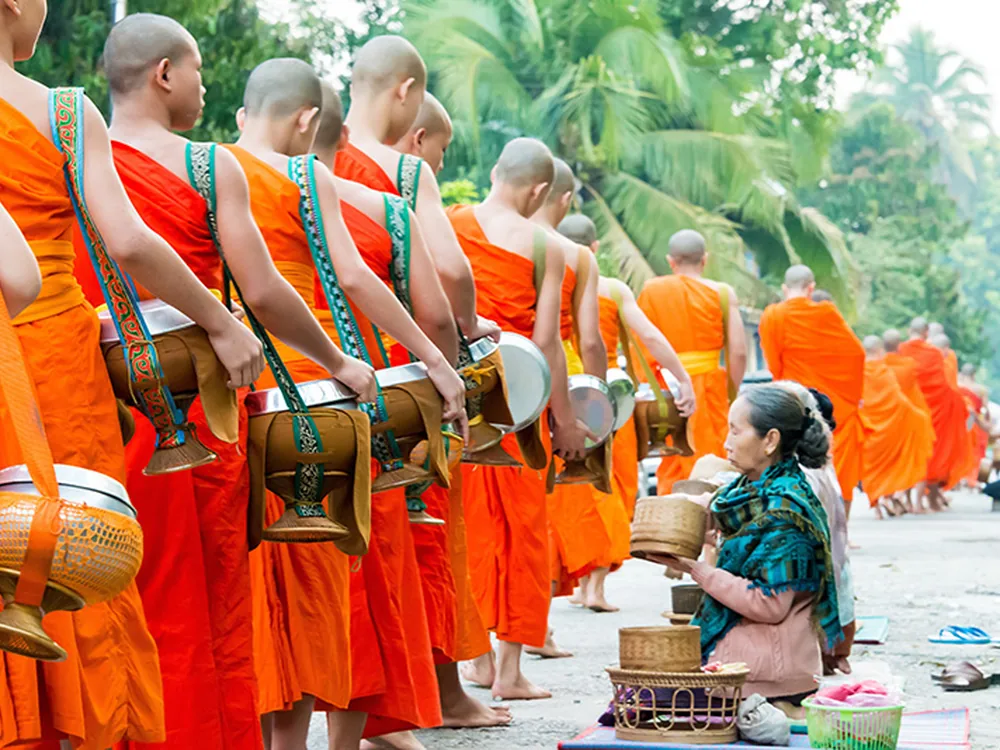
UNESCO heritage city — morning alms, the old royal palace.
Nong Khiaw
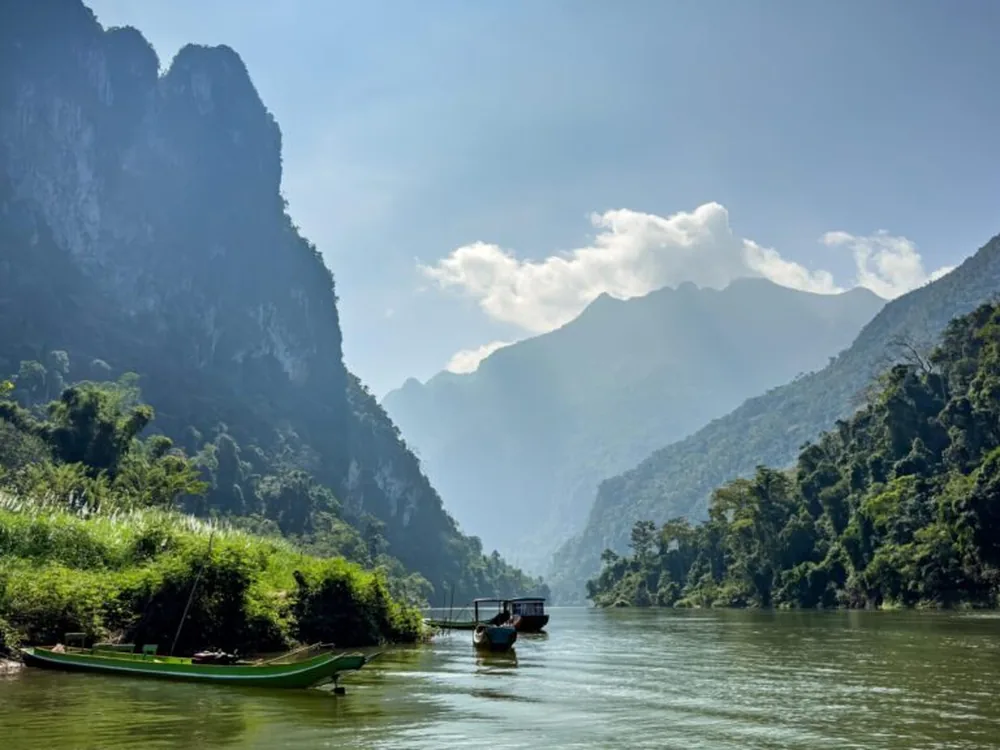
Karst-valley village — viewpoints and kayak country.
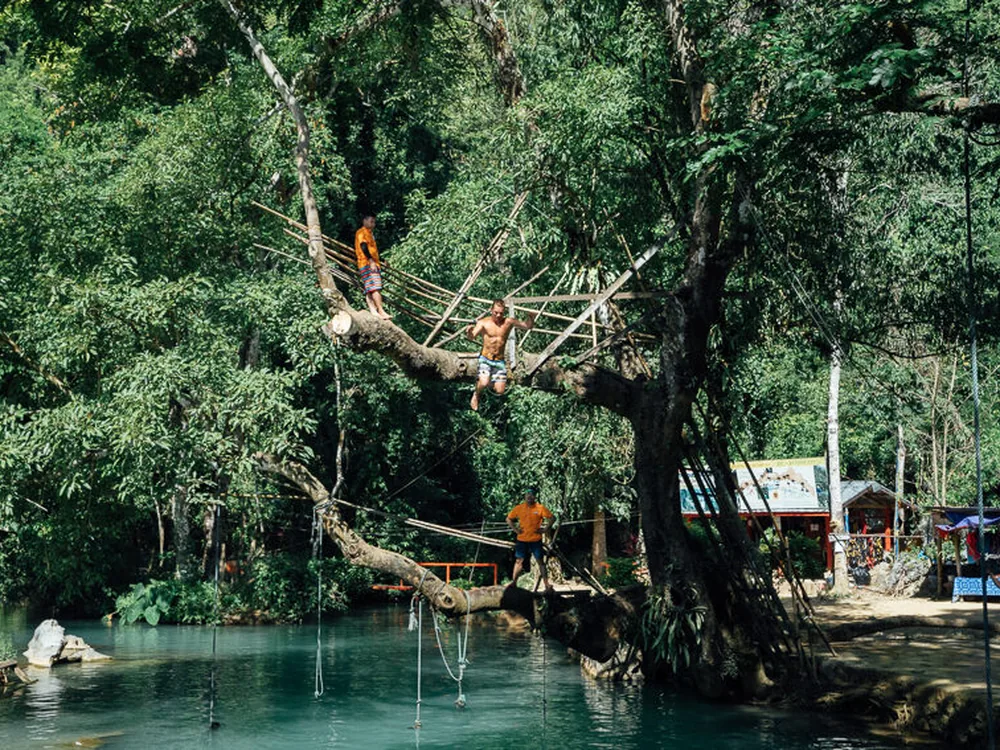
Vang Vieng
Limestone lagoons, quieter than its reputation.
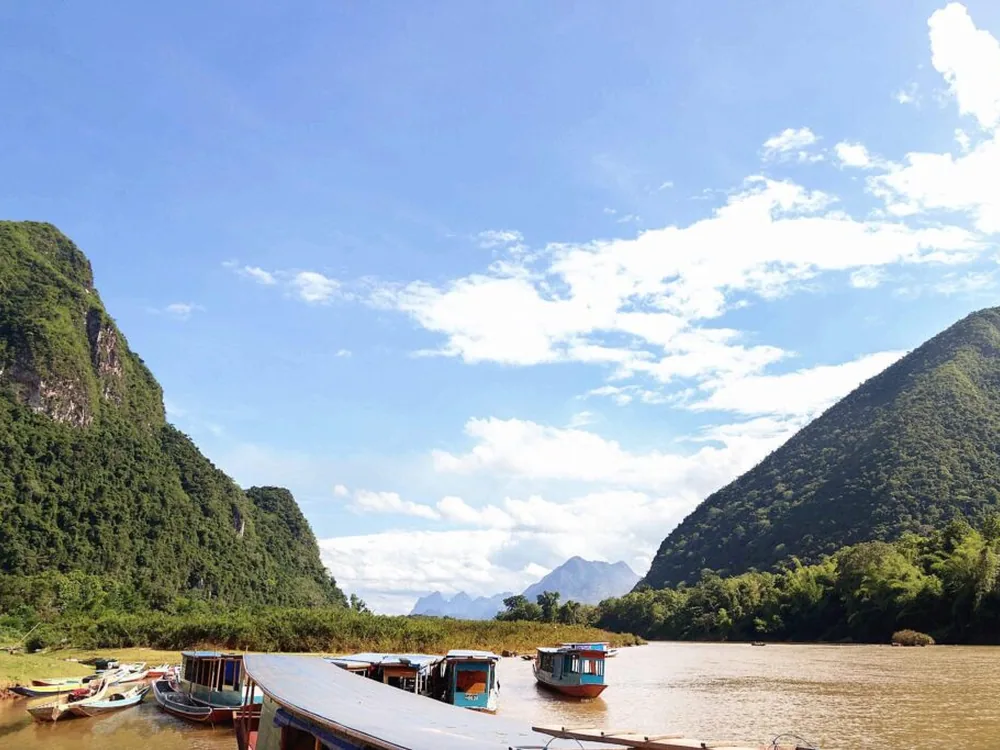
Plain of Jars
Iron-age stone vessels across the Xieng Khouang plateau.
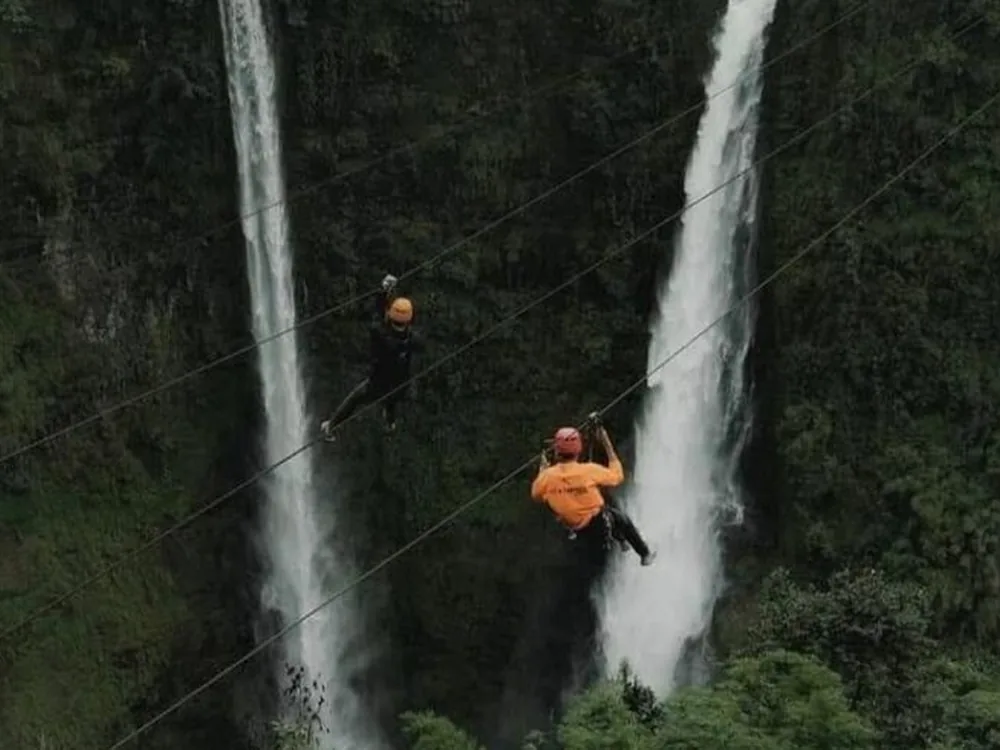
Pakse & the Bolaven
Coffee plateau, waterfalls, and the road south.
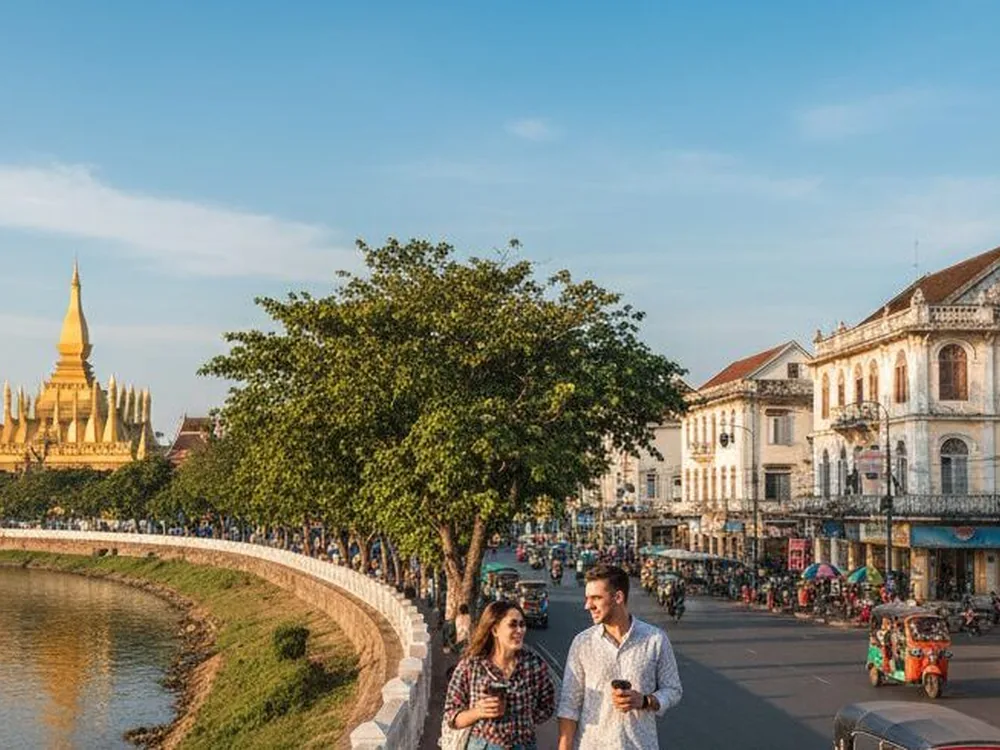
Vientiane
The riverside capital — temples and a slow evening market.
4,000 Islands
Where the Mekong braids — Don Det, Don Khone, the falls.
The Nam Ou
A slow boat threading the river between karst walls.
Laos
 Laos
Laos
 Laos
Laos
1-Day Of Luang Prabang Cultural & Kuangsi Waterfall Tour Immerse yourself in the vibrant culture and natural beauty of Luang Prabang with this one-day tour. Start your journey by exploring the city’s UNESCO World Heritage sites, including the renowned Wat Xieng Thong, celebrated for its intricate mosaics and spiritual ambiance. Next, visit the Royal Palace […]
We design your journey, your way. 24-hour reply from Vientiane — no pressure, no upselling.