 Laos
Laos
Luang Prabang: 4-Day Explorer Tour
Price confirmed on request
Details Luang Prabang: 4-Day Explorer Tour
Limestone landscapes, blue lagoons, caves, kayaking, cycling, and soft adventure.
Vang Vieng has a reputation it no longer deserves.
For about a decade it was Southeast Asia’s most notorious party stop — river tubing, riverside bars, and a genuinely dangerous accident rate. That version was shut down in 2012. What is left is the thing that was always underneath: one of the most dramatic karst landscapes in the region, with a river running through it.
If you skipped Vang Vieng on the strength of an old guidebook, that was a reasonable decision ten years ago and is a mistake now.
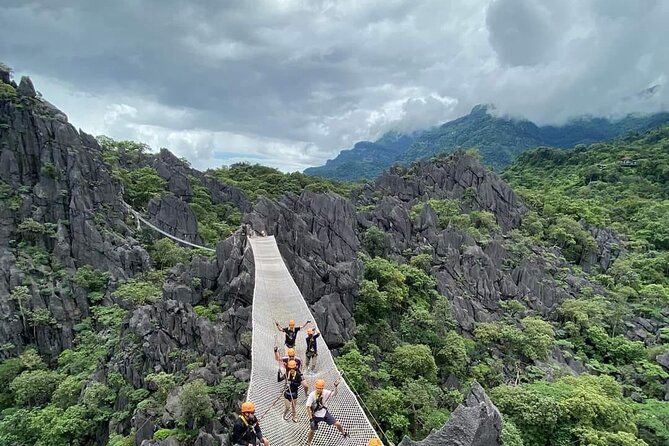
Limestone towers rise straight out of flat rice fields along the Nam Song, two hundred metres or more, riddled with caves. In the early morning the valley holds mist between the karsts and it is genuinely one of the great views in Laos.
It sits roughly midway between Vientiane and Luang Prabang, which makes it a natural break on almost any route through the country.
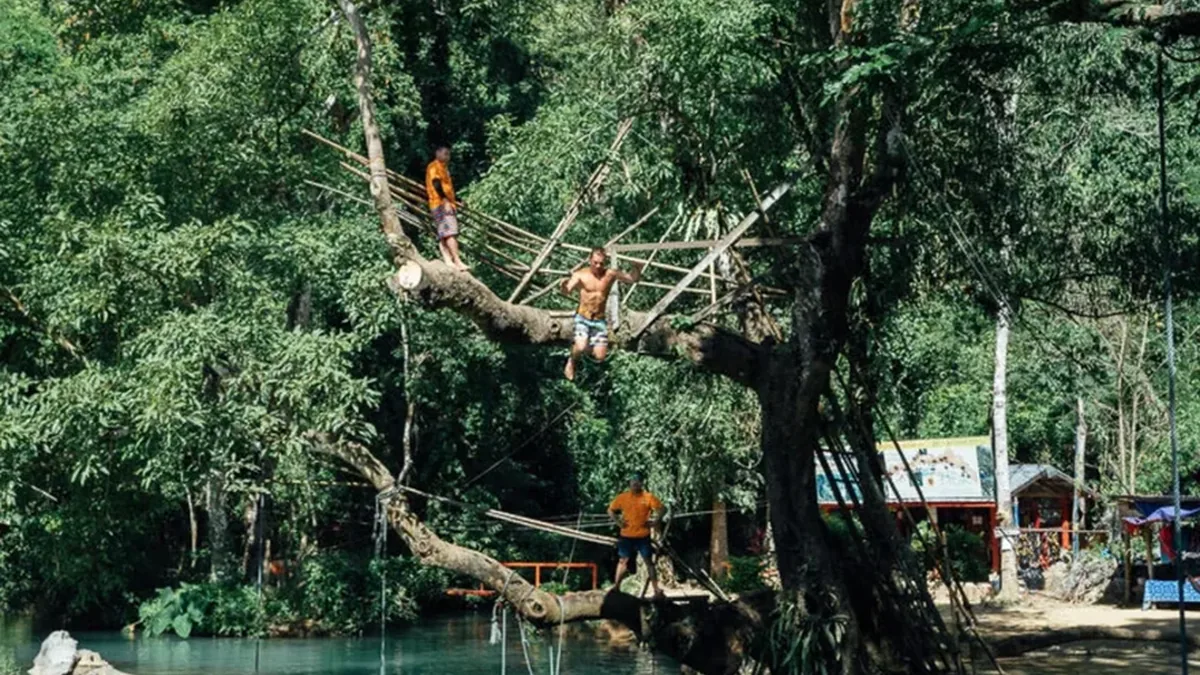
Spring-fed swimming holes in the limestone, numbered rather than named. Blue Lagoon 1 is closest to town and busiest. Blue Lagoon 3 is further out, larger and quieter. Blue Lagoon 5 is quieter still. Go early — by midday the near ones fill up.
Kayaking the Nam Song is the best way to see the karsts, and it is calm water rather than rapids. Tubing still exists in a regulated, considerably safer form.
On the far bank there are flat, quiet lanes through rice fields and villages. A half day on a bicycle here is one of the better ways to spend an afternoon in Laos.
One day works if you are passing through — a lagoon, a cave, a viewpoint. Two nights is better: one active day, one slow one. Three or more only if you are climbing or cycling seriously.
November to February is best — clear skies, cool mornings, mist in the valley, and the hot-air balloon season.
March to May is hot, and haze can flatten the views that are the entire reason to come.
June to October is green and dramatic. The river runs fast, which is good for kayaking and bad for tubing. Some cave routes close when water is high.
From Vientiane it is roughly three to four hours by road, or about an hour by train plus a short transfer. The railway has made this an easy day trip from the capital, which it never used to be. From Luang Prabang the road is spectacular and slow — a mountain route of five to six hours — and the train is far quicker. See the e-ticket guide for booking.
Luang Prabang
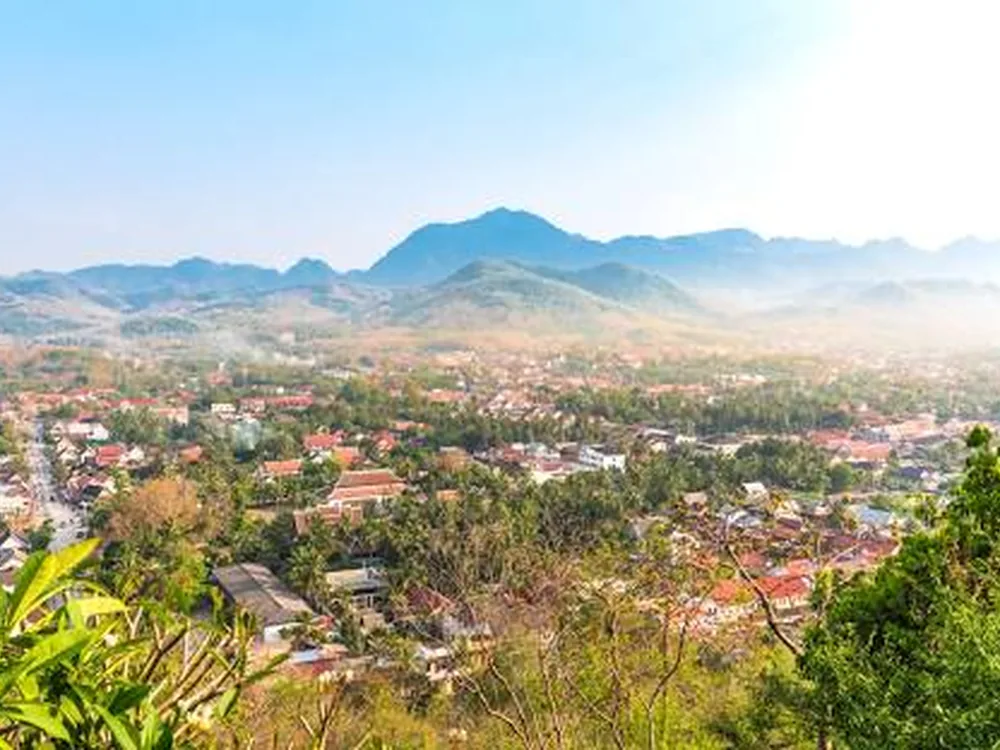
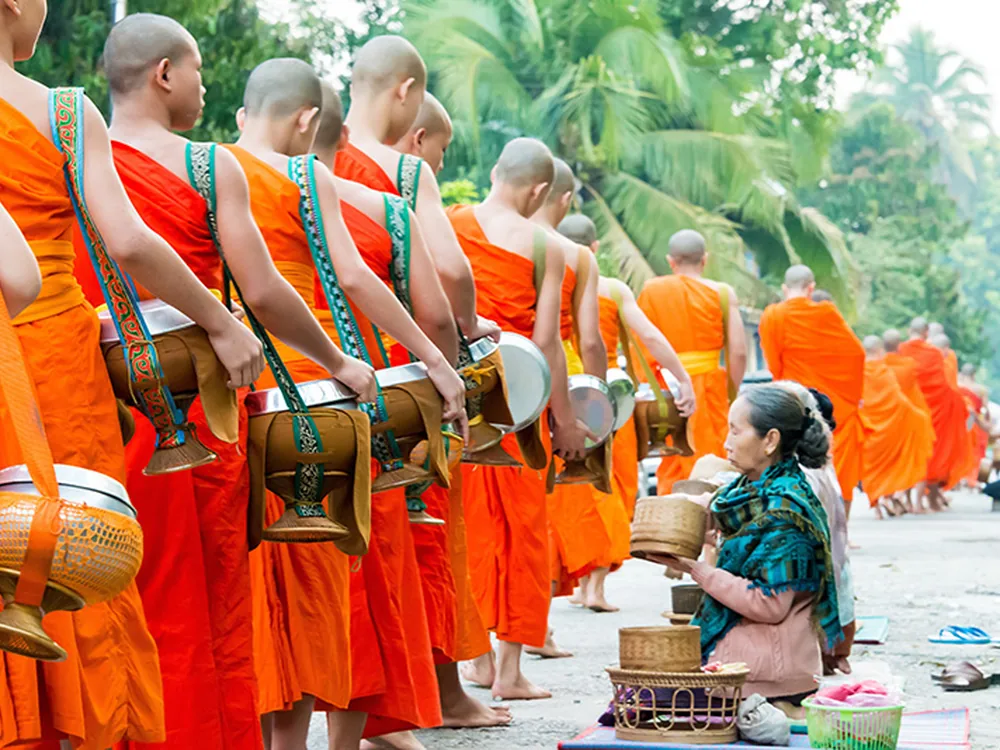
UNESCO heritage city — morning alms, the old royal palace.
Nong Khiaw
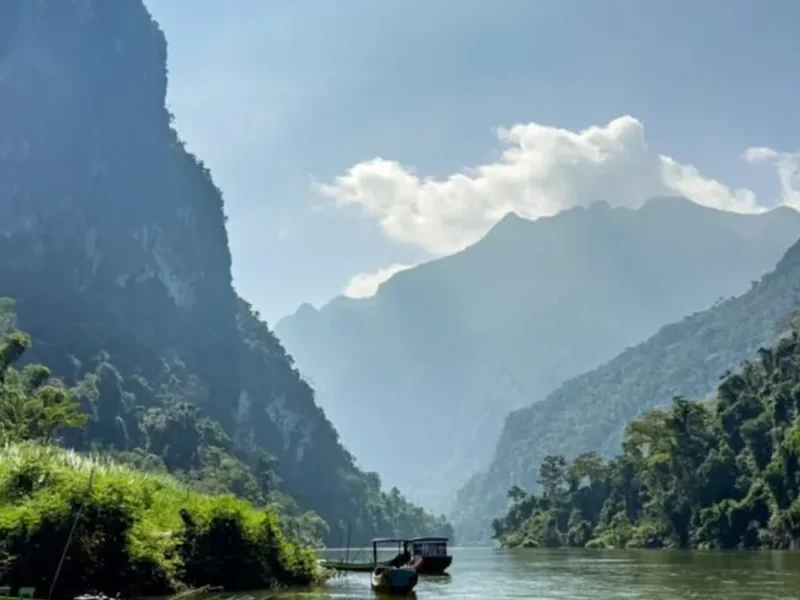
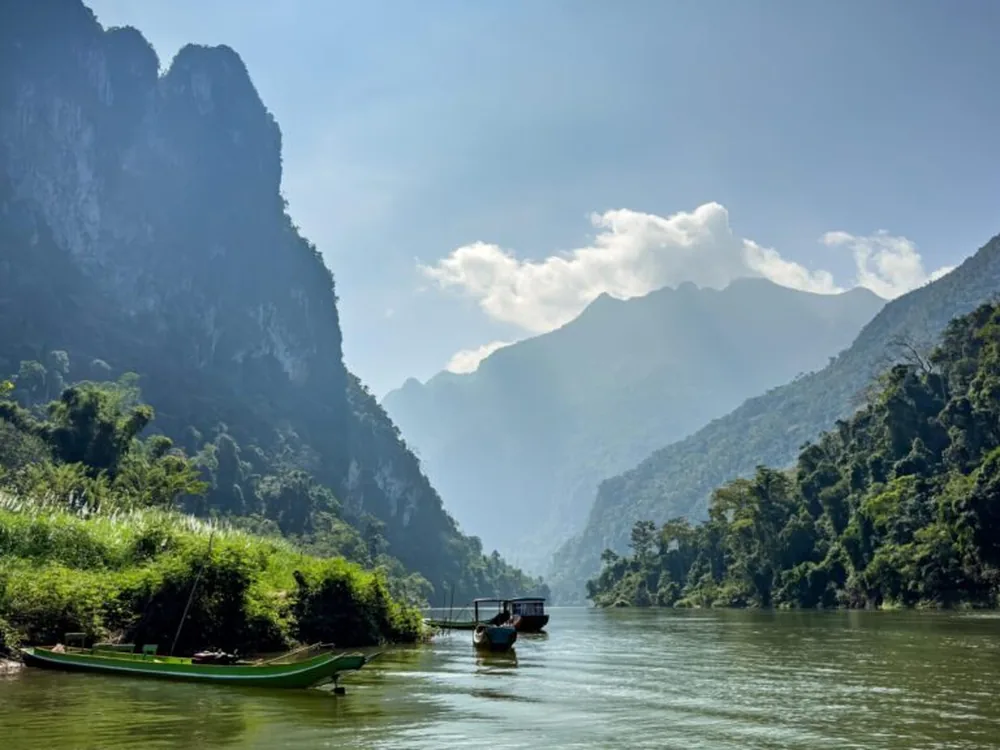
Karst-valley village — viewpoints and kayak country.
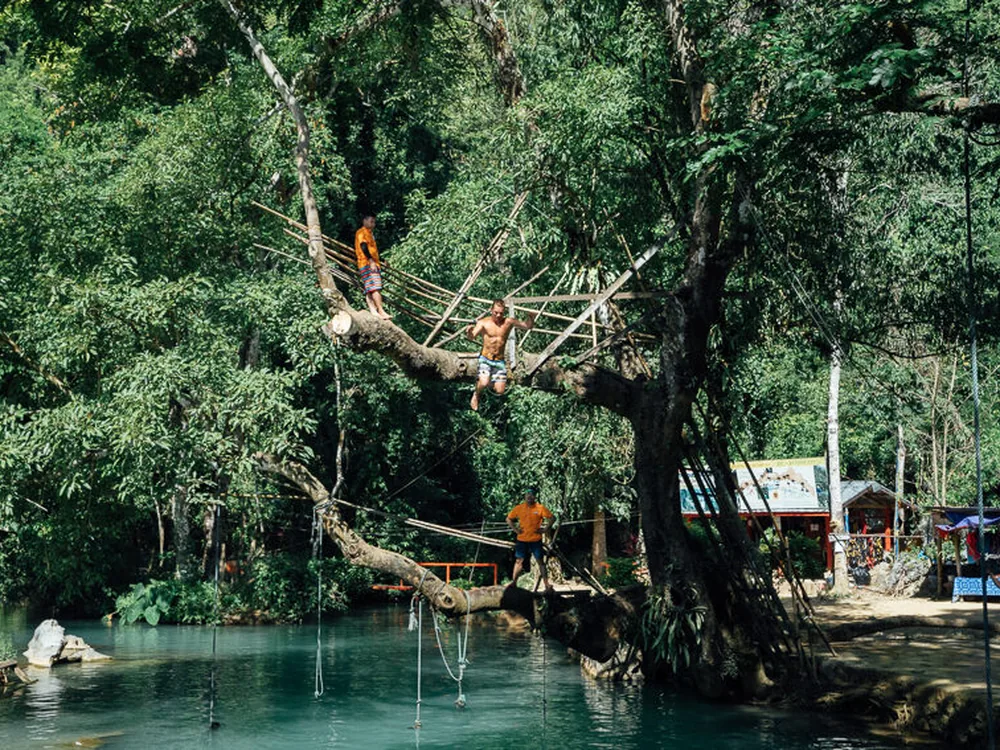
Vang Vieng
Limestone lagoons, quieter than its reputation.
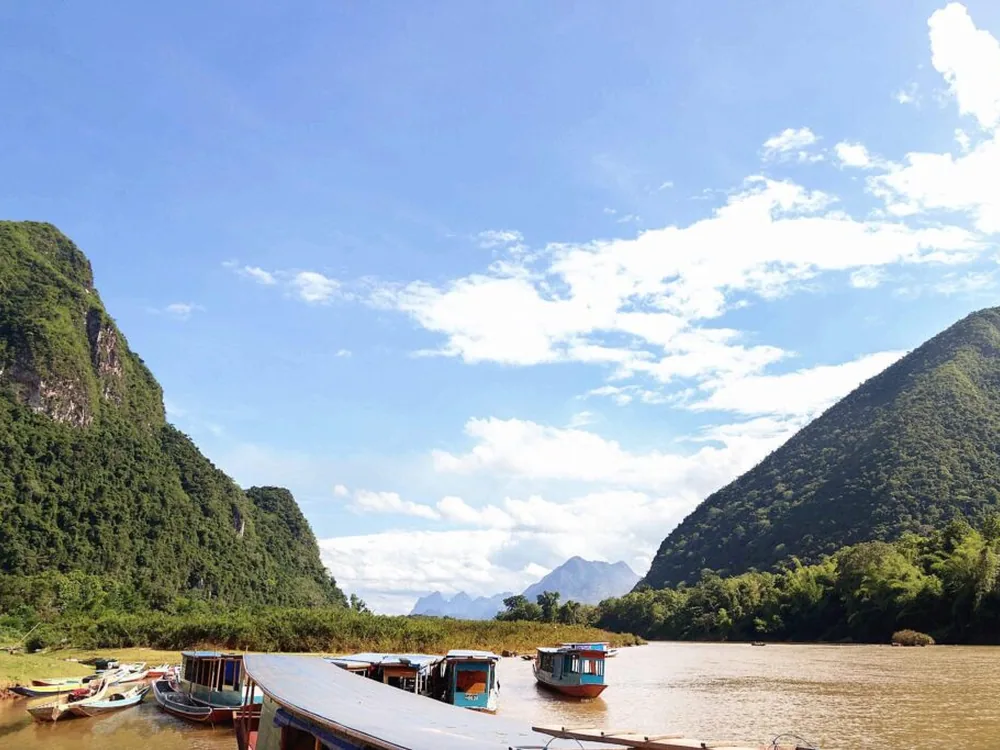
Plain of Jars
Iron-age stone vessels across the Xieng Khouang plateau.
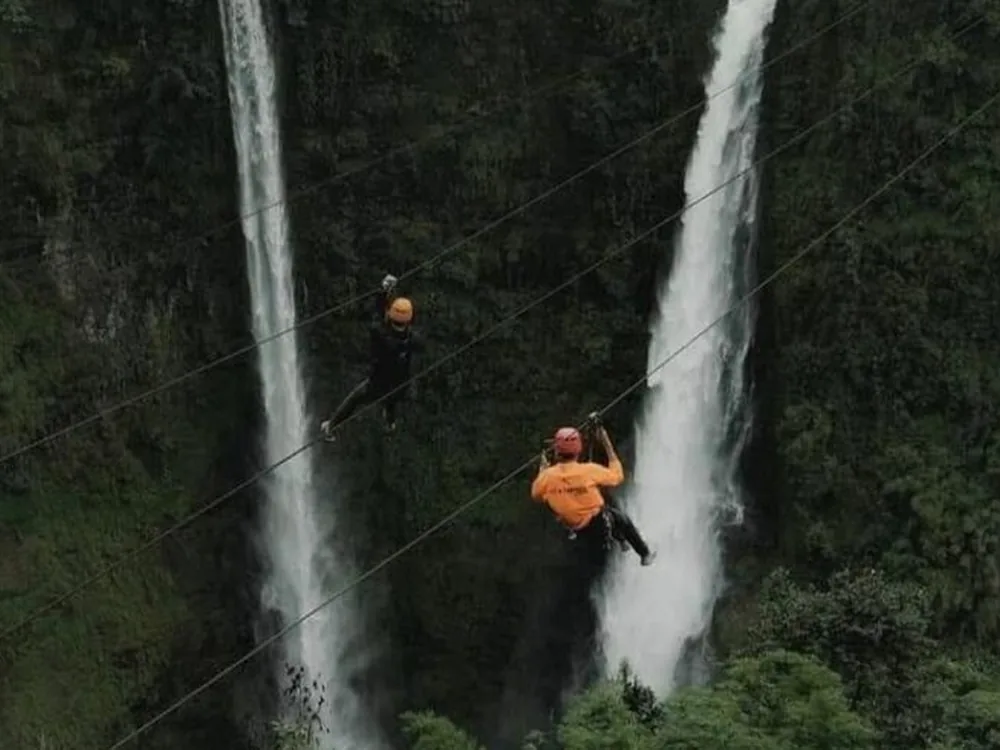
Pakse & the Bolaven
Coffee plateau, waterfalls, and the road south.
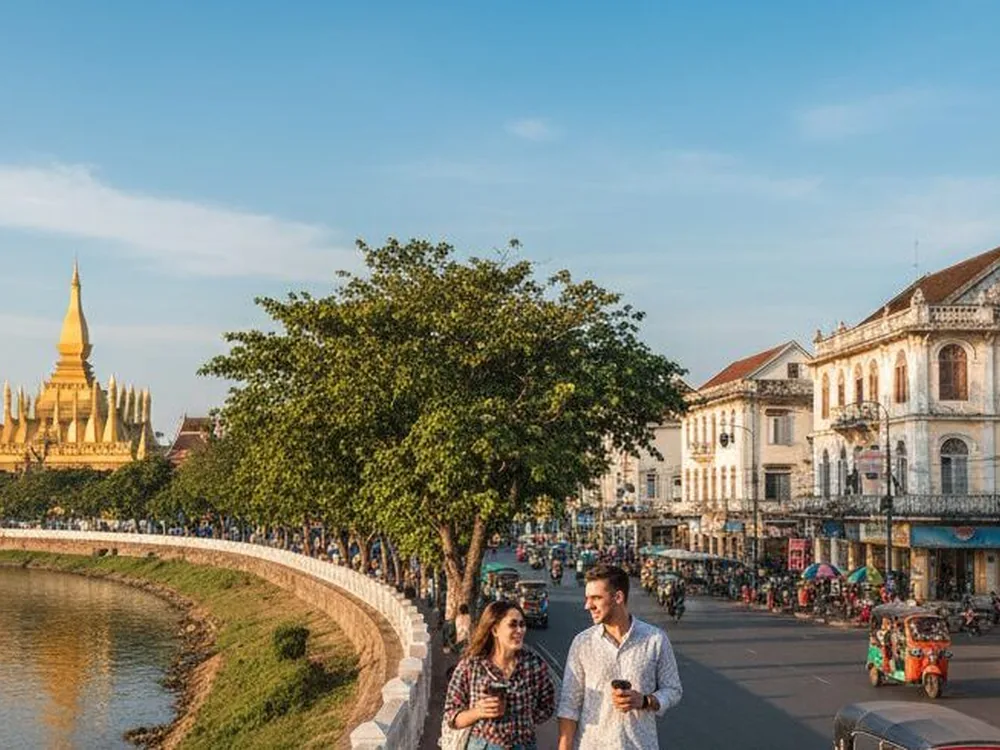
Vientiane
The riverside capital — temples and a slow evening market.
4,000 Islands
Where the Mekong braids — Don Det, Don Khone, the falls.
The Nam Ou
A slow boat threading the river between karst walls.
Laos
 Laos
Laos
 Laos
Laos
1-Day Of Luang Prabang Cultural & Kuangsi Waterfall Tour Immerse yourself in the vibrant culture and natural beauty of Luang Prabang with this one-day tour. Start your journey by exploring the city’s UNESCO World Heritage sites, including the renowned Wat Xieng Thong, celebrated for its intricate mosaics and spiritual ambiance. Next, visit the Royal Palace […]
We design your journey, your way. 24-hour reply from Vientiane — no pressure, no upselling.